What’s the Difference Between Humectant and Occlusive in Body Lotion?
When it comes to body lotion, understanding the ingredients can feel like decoding a secret language. Terms like glycerin humectant, occlusive seal, and emollient soften get tossed around, but what do they really mean for your skin? Especially when your body skin isn’t quite the same as your facial skin, and when habits like hot showers and the wrong soap can mess with your skin barrier more than you realize.
Whether you’re reaching for a rich cream like Joy Organics 1000mg CBD Cream or shopping your local drugstore, knowing the roles of humectants and occlusives can transform your skincare routine from meh to magic. Bonus: We’ll also cover why applying lotion on damp skin is your secret weapon and how simple swaps in your shower routine can boost your skin’s health.
Body Skin vs. Face Skin: Why Lotion Isn’t One-Size-Fits-All
Your body skin isn’t just your face in a bigger suit. There are meaningful differences that impact how you moisturize and what ingredients you should prioritize.
- Thickness: Body skin is generally thicker—especially on areas like the elbows and heels—which means absorption and hydration needs differ.
- Oil glands: Face skin has more active oil glands (think T-zone shine anyone?), making it a bit naturally more hydrated and protected than most body areas.
- Exposure and barrier: Body skin often faces harsher mechanical stress (clothing, friction) and less frequent moisturizing habits, so a robust barrier repair approach is key.
In short, your body’s thicker skin usually benefits from a lotion that builds barrier strength without leaving a greasy mess, while your facial routine might focus heavily on lightweight, fast-absorbing layers.
Hot Showers and Soap: The Double Whammy to Your Skin Barrier
Raise your hand if you love the feeling of a steaming hot shower. Guilty as charged. But here’s the unvarnished truth: hot water is one of the biggest offenders when it comes to stripping your skin’s natural oils. That dry, tight feeling post-shower? Yep, that’s your skin barrier waving a white flag.
- Hot showers raise skin temperature and cause increased water loss by disrupting the lipid layers that hold moisture in.
- Alkaline soaps strip away your skin’s natural acidic mantle (pH around 4.5-5.5), creating an environment ripe for irritation and dryness.
- Switching to a syndet or pH-balanced non-soap body wash gently cleans without robbing your skin of essential lipids, improving overall skin barrier health.
So, the next time you’re tempted by that hot blast, dial it back to lukewarm showers and swap your bar soap for a nicer cleanser to give your skin a fighting chance.
How Moisturizing on Damp Skin Unlocks Better Hydration
Did you know your lotion works best when applied right after showering on damp skin? That’s because moisturizing within 60 to 120 seconds traps water on the surface, enhancing hydration. Moisturizers don’t actually add water—they lock it in.
Timing Result Applied on damp skin (within 2 minutes) Improved water retention and longer-lasting hydration Applied on dry skin Less effective; skin may feel dry soonerKeep your lotion by the shower or sink as a little nudge to remember this step. Otherwise, Helpful site you’ll catch yourself rubbing dry skin with lotion and wondering why it doesn’t stick or last.

Decoding the Moisturizing Trio: Humectants, Emollients, and Occlusives
Now let’s break down the three hydration heroes you’ll see in your body lotion ingredient list. Each one plays a distinct role in keeping that skin soft, supple, and smooth.
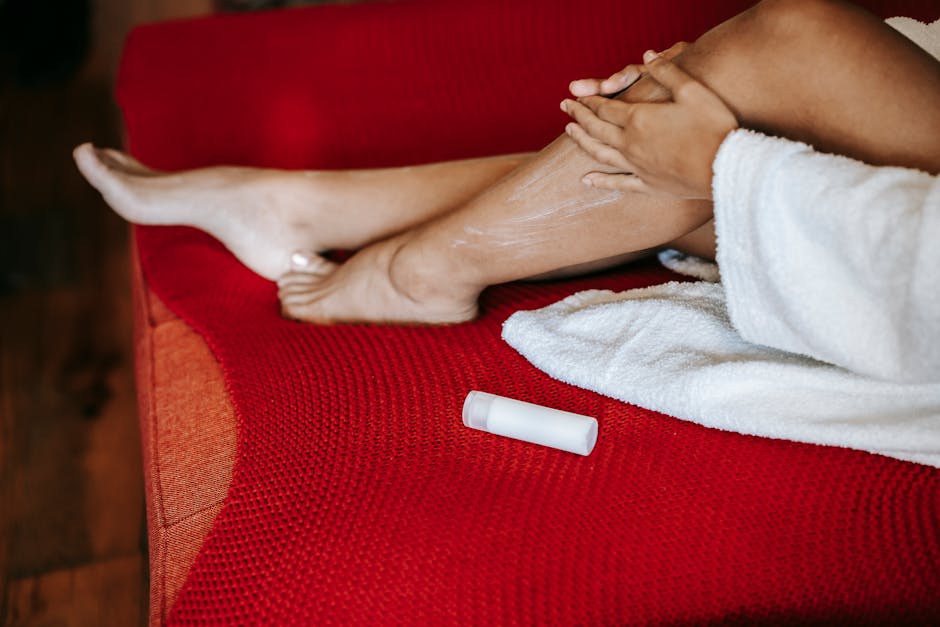
1. Humectants: The Water Magnets
Humectants, like glycerin humectant, attract water from the environment and from the deeper layers of your skin, pulling moisture up to the surface. They act like little moisture magnets.
- Common humectants: glycerin, hyaluronic acid, sorbitol, urea
- Function: Increase water content in the skin to improve softness and flexibility.
- Note: In very dry climates, humectants alone might pull moisture from your skin instead of the air, so pairing them with occlusives is key.
2. Emollients: The Skin Softeners
Emollients fill in the tiny cracks and spaces between skin cells, smoothing rough patches like the backs of elbows or knees. They soften and improve texture without necessarily locking in water on their own.
- Common emollients: ceramides, fatty acids, squalane, plant oils
- Function: Soften and smooth the skin surface, making it look and feel healthier.
- Why you’ll love it: Emollients make thick lotions glide easily, transforming dry, scaly patches into touchable skin.
3. Occlusives: The Water Barriers
Occlusives form a protective layer on the skin to stop water loss. Think of them https://technivorz.com/why-does-my-body-lotion-do-nothing-for-my-dry-legs/ as the final seal on your moisturization sandwich.
- Common occlusives: petrolatum, shea butter, dimethicone, lanolin
- Function: Create an occlusive seal that locks moisture inside the skin.
- Application tip: Heavier occlusives are perfect for elbows, heels, and areas prone to dryness, but can feel greasy elsewhere.
Putting It All Together: How Body Lotions Combine These Ingredients
The best body lotions for dry, patchy, or sensitive skin tend to combine all three ingredient types: humectants to pull in hydration, emollients to smooth skin texture, and occlusives to lock it all in.
For instance, a product like Joy Organics 1000mg CBD Cream combines soothing CBD with hydrating and barrier-repairing ingredients. This makes it a smart choice for calming irritated or dry skin while offering rich moisture that doesn’t just sit on the surface.
Quick Tips for Choosing and Applying Body Lotion
- Use lukewarm water for showers and opt for syndet or pH-balanced non-soap body washes.
- Pat skin lightly dry, don’t rub, to avoid further barrier disruption.
- Apply lotion within 2 minutes on damp skin to trap maximum moisture.
- Look for lotions with a balance of humectants, emollients, and occlusives based on your skin needs.
- Keep bulky, richer creams like those with occlusives near the sink or bedside to encourage frequent use on rough patches.
Why Face-Only SPF Isn’t Enough
One final note—your hands, chest, and body skin also need sun protection. It’s tempting to think “my face gets all the SPF, so the rest is fine,” but UV damage doesn’t discriminate. Choose moisturizers with SPF or finish with a separate body sunscreen to keep the entire skin surface healthy.
The Bottom Line
Understanding the difference between humectants and occlusives isn’t just skincare nerd jargon—it makes a tangible difference in how soft, hydrated, and healthy your body skin looks and feels. Pairing the right ingredients with good daily habits, like lukewarm showers and prompt application on damp skin, is the real key to silky, supple skin that lasts.
Next time you grab your body lotion, check the label for glycerin humectant for hydration, emollients to soften rough patches, and occlusives to provide that impermeable seal. And hey, keep your favorite lotion in a spot where you actually use it—by the sink, on your nightstand, or honestly, even in your shower caddy.
Your body skin works hard every day—give it the smart, informed care it deserves!